I’ve spent a good part of my career working on homes across South Texas, and few places have taught me as much about residential teardown work as residential demolition San Antonio projects. Houses here carry history—sometimes in their framing, sometimes buried in their foundations—and that history tends to reveal itself only after work begins.
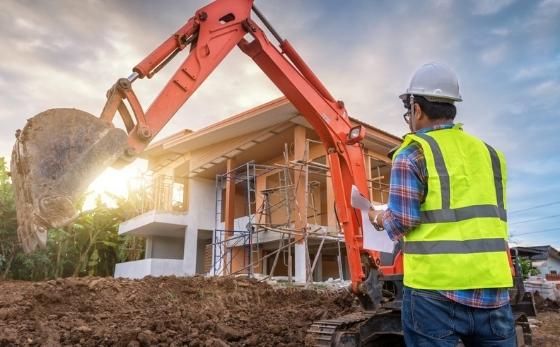
I came up in this trade doing hands-on residential demo long before I was supervising jobs. One of the first full teardowns I worked on involved an older single-story home that had been expanded several times over the years. On paper, it looked straightforward. Once we started opening it up, we realized half the additions were built with different materials and methods, likely done decades apart. Walls that should have been load-bearing weren’t, and others that looked cosmetic were quietly holding everything together. That job taught me early that no two homes in San Antonio should be approached the same way.
Homeowners often assume residential demolition is quick and simple compared to commercial work. In my experience, it can be more delicate. You’re usually working closer to neighbors, utility lines are tighter, and access is limited. I remember a project last spring where a narrow driveway meant we had to rethink equipment size and debris removal entirely. Larger machinery would have sped things up but risked damage to nearby properties. Slowing down and adjusting the approach saved a lot of stress—and potential repairs—later.
Selective residential demolition is where I see the most mistakes. People want to remove part of a house to remodel or rebuild, and they underestimate how interconnected everything is. I once stepped in on a project where a homeowner had already hired a crew to “just take out a few walls.” They hadn’t accounted for how the roof load transferred or how plumbing had been rerouted over time. By the time we got involved, temporary supports had to be installed to stabilize the structure before work could continue safely. That kind of correction adds time and cost that could have been avoided with proper planning.
Another detail only experience teaches you is how debris behaves in residential settings. In older neighborhoods, debris piles grow fast and space disappears even faster. I’ve worked jobs where the plan changed midstream because staging areas weren’t thought through. Dust control, noise timing, and cleanup matter more on residential sites because people are living right next door. A good crew anticipates those concerns instead of reacting after complaints start rolling in.
From a professional standpoint, I tend to caution homeowners against treating demolition as a purely mechanical task. It’s not just about knocking things down—it’s about understanding what needs to remain stable and undisturbed. In San Antonio, that often includes older foundations, shared utilities, or soil conditions that don’t behave predictably once structures are removed. I’ve seen slabs shift slightly after demolition simply because the original build didn’t match modern standards.
What I respect most about well-run residential demolition jobs is how calm they feel. The site stays organized, the sequence of work makes sense, and adjustments happen without panic when surprises show up. That kind of control only comes from crews who’ve seen enough homes to know that every one of them has a story, and not all of it is visible from the outside.
Residential demolition sets the tone for everything that follows. When it’s handled with care and experience, the next phase—whether it’s rebuilding or starting fresh—has a far better chance of going smoothly.