Over the past 15 years helping businesses of all sizes find storage and operational spaces, I’ve developed a strong sense of what works and what doesn’t. Early on, I helped a client locate warehouses for rent that could handle both their inventory and daily shipping needs. I quickly realized that two warehouses with nearly identical square footage could be worlds apart in terms of practicality, safety, and long-term costs.
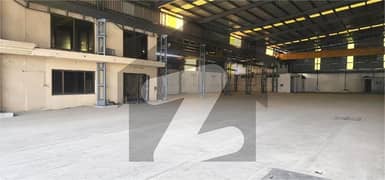
One experience that sticks with me involved a small e-commerce business expanding into regional distribution. They leased a warehouse that seemed ideal online—high ceilings, multiple loading docks—but once they moved in, it became clear that the layout wasn’t conducive to the flow of forklifts and pallet jacks. We had to redesign their storage setup entirely to avoid bottlenecks. That taught me that floor plans and access routes are as critical as size or location.
Another memorable situation involved a client who prioritized rent cost above all else. They chose a space further from key shipping routes, thinking the savings would offset travel. Within a few months, delivery delays and increased fuel expenses wiped out any benefits. In my experience, balancing rent with accessibility is essential—sometimes paying slightly more for a well-located warehouse saves thousands in operational headaches.
I’ve also encountered warehouses where electrical capacity and ventilation weren’t aligned with the business’s actual needs. For example, a food distribution client moved into a space that couldn’t handle additional refrigeration units. Walking the warehouse with them, I inspected power outlets, ventilation points, and even minor structural quirks, which helped avoid a costly retrofit later. These details are easy to overlook but can significantly affect daily operations.
Over the years, I’ve learned that visiting a property in person is invaluable. Photos and online listings rarely reveal uneven floors, cramped docks, or obstructed loading areas. By seeing a space firsthand, I can assess natural light, airflow, ceiling height, and the overall maintenance of the facility—factors that ultimately influence productivity and safety.
Finding the right warehouse isn’t just a matter of square footage or price. From my experience, it’s about aligning the space with how a business actually functions, understanding hidden limitations, and planning for future growth. Those who take the time to evaluate operational realities, rather than just the advertised specs, end up with a space that truly supports their business.